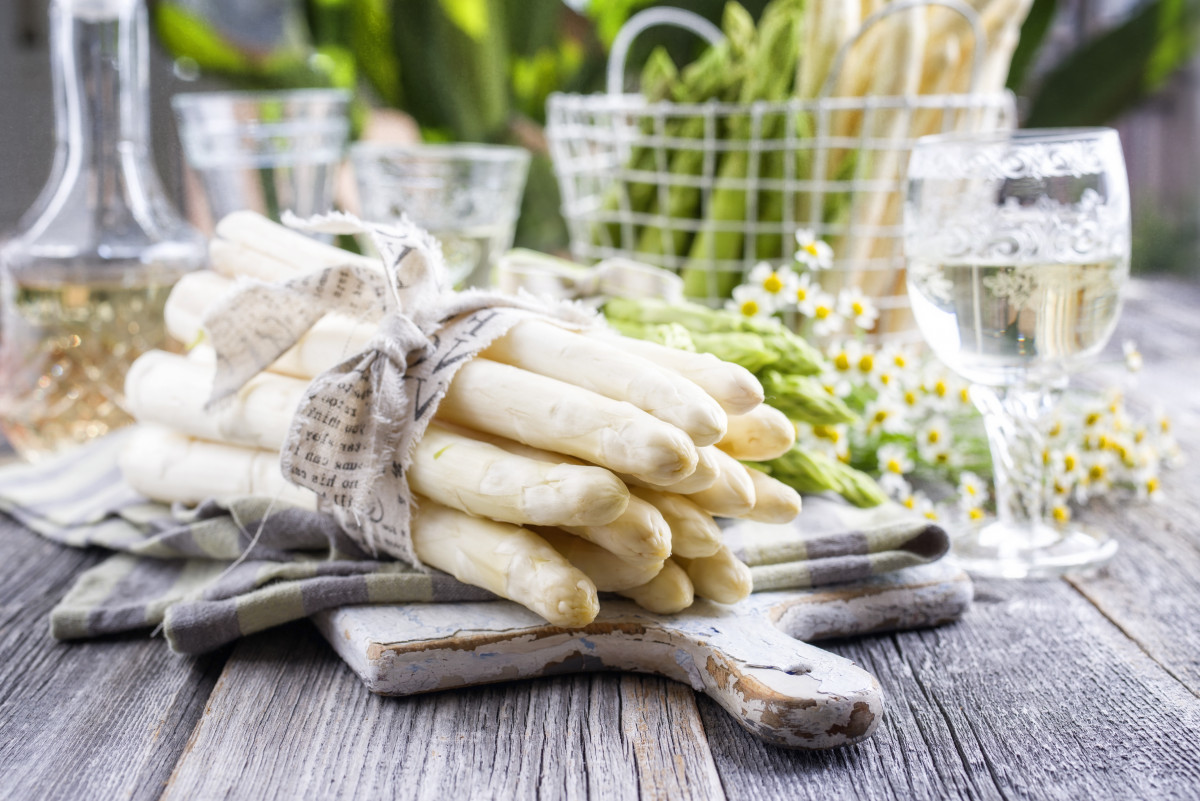
Spargel Richtig Kochen: Expert Tips for Perfect Asparagus
As spring breathes new life into the kitchen, few ingredients evoke as much joy and anticipation as
Spargel, the beloved German asparagus. Whether you're a seasoned chef or a home cook eager to master this seasonal delicacy, understanding how to achieve perfectly cooked asparagus is key to unlocking its delicate flavor and tender texture. This guide will walk you through the essential steps and insider tips for "Spargel Richtig Kochen" – cooking asparagus the right way – ensuring every spear is a culinary triumph.
The Art of Preparing Perfect Spargel: Why "Richtig Kochen" Matters
Spargel is more than just a vegetable; it's a cultural phenomenon in Germany, celebrated with festivals and dedicated menus during its short season from April to June. Revered for its exquisite taste and impressive health benefits, Spargel is naturally low in calories, consisting of about 95% water, yet packed with essential vitamins (A, C, E, and various B-vitamins like Folic Acid) and minerals (Potassium, Calcium, Phosphorus, Sodium). It even boasts a history as a medicinal plant, used for its healthful properties over 4,000 years ago in China.
While its nutritional profile is outstanding, the true magic of Spargel lies in its preparation. Improper cooking can transform its subtle sweetness into a watery, mushy disappointment, or leave it fibrous and unappetizing. Our goal is to preserve its vibrant flavor, tender bite, and valuable nutrients.
When we talk about Spargel, we're usually referring to two main types: white asparagus (
Bleichspargel) and green asparagus (
Grünspargel). The primary difference lies in their cultivation; white Spargel grows entirely underground, shielded from sunlight, which prevents photosynthesis and maintains its pale color and delicate flavor. Green Spargel, on the other hand, grows above ground, developing its characteristic color and a slightly more robust, earthy taste. This distinction impacts not only their flavor profile but also their preparation and cooking times. For a deeper dive into their unique characteristics and health benefits, explore our article on
Green vs. White Spargel: Health Benefits & Cooking Prep.
Crafting the Ideal Spargel Cooking Liquid: Beyond Plain Water
The secret to truly aromatic and flavorful Spargel often begins with the cooking liquid itself. It's not just about boiling asparagus; it's about infusing it with subtle enhancements that bring out its best qualities. Here are the essential ingredients and why they are crucial for your "Spargel Richtig Kochen" success:
*
1 Teaspoon Salt: Salt is fundamental for seasoning and enhancing the natural taste of the asparagus. It rounds out the flavor profile, preventing it from tasting bland.
*
1 Teaspoon Sugar: A touch of sugar is a game-changer. It helps to neutralize any potential bitter notes, especially common in white asparagus, and complements its inherent sweetness. Don't worry, it won't make your Spargel taste sweet!
*
A Dab of Butter: Butter adds richness and a luxurious mouthfeel, subtly emphasizing the asparagus's delicate aroma. It’s a classic pairing that elevates the overall experience.
*
A Splash of Organic Lemon Juice: For white Spargel, lemon juice is particularly important. It helps maintain the spears' bright, appealing pale color and adds a refreshing tang that cuts through the richness.
*
Half a Small Potato (peeled): This might seem unconventional, but it’s a traditional German tip! A small potato, halved and added to the water, is said to "round out" the flavor of the cooking liquid, giving it a more nuanced depth and subtly absorbing any remaining bitterness.
By carefully incorporating these elements, you're not just cooking Spargel; you're creating an aromatic bath that ensures each spear emerges perfectly seasoned and visually appealing. For more innovative ways to enhance your Spargel's flavor, check out
Aromatic Spargel: Secret Ingredients for Delicious Asparagus.
Mastering the Traditional Method for White Spargel (Bleichspargel)
White Spargel demands a specific cooking technique to achieve its characteristic tender-crisp texture. Here's how to prepare and cook it using the beloved traditional method:
1.
Preparation is Key:
*
Wash Thoroughly: Rinse the Spargel under cold water to remove any soil.
*
Peel Meticulously: White Spargel requires careful peeling. Using a vegetable peeler, start about 1-2 cm below the tip and peel downwards, removing the fibrous outer layer completely. Ensure there are no tough strings left, as these will ruin the eating experience. Green asparagus generally does not need peeling, unless the lower stalk is particularly thick or woody.
*
Trim the Ends: Snap off the woody, dry ends of each spear. They will naturally break where the tender part begins.
*
Bundle Up: For even cooking and easy handling, tie the peeled white Spargel spears into compact bundles (about 5-10 spears each) using kitchen twine. This also prevents the delicate tips from overcooking or breaking.
2.
The Spargeltopf Advantage:
* The ideal tool for white Spargel is a dedicated
Spargeltopf (asparagus pot). This tall, slender pot typically comes with a removable wire basket or insert. Its design allows the Spargel to stand upright, ensuring that the delicate tips cook gently by steam while the thicker lower stalks simmer in the water. If you don't have a Spargeltopf, a regular tall pot can work, though you might need to lay the Spargel down, which can sometimes lead to less even cooking.
3.
The "Standing" Cooking Method:
* Once your Spargel is prepped, bring about half a liter of water, enriched with the salt, sugar, butter, lemon juice, and potato, to a boil in your Spargeltopf.
* Carefully place the Spargel bundles into the pot, standing them upright in the wire insert. The goal is for only the lower third of the asparagus spears to be submerged in the simmering water. The remaining upper two-thirds, including the tender tips, will cook gently through the rising steam.
* Reduce the heat to a medium setting. The water should maintain a good simmer (gently bubbling), but avoid a vigorous, rolling boil that could damage the delicate spears.
This method ensures that the entire spear cooks perfectly: the thicker base becomes tender without being mushy, and the delicate tips remain firm and intact, retaining their distinct texture and flavor.
Optimal Cooking Times and Exploring Versatile Spargel Preparation Methods
The cooking time for Spargel is perhaps the most debated aspect, as it significantly impacts the final texture. There's no one-size-fits-all answer, as it largely depends on the thickness of your spears and your desired tenderness.
*
White Spargel (Traditional Method):
* Thin spears (0.5-1 cm diameter): 8-10 minutes
* Medium spears (1-2 cm diameter): 10-15 minutes
* Thick spears (>2 cm diameter): 15-20 minutes
* Always test for doneness by gently piercing a spear with a small knife or fork; it should be tender but still offer a slight resistance (
al dente).
*
Green Spargel: Green Spargel generally cooks faster than white.
* Thin spears: 3-5 minutes
* Medium spears: 5-8 minutes
* Thick spears: 8-10 minutes
* Green asparagus is also fantastic when slightly crisp, so be careful not to overcook it.
A Note on Nutrient Retention: While traditional boiling is popular, it's important to remember that prolonged exposure to water and high heat can lead to some loss of water-soluble vitamins and minerals. Therefore, aiming for the shortest possible cooking time to achieve desired tenderness is always recommended.
Beyond Boiling: Exploring Alternative Methods for "Spargel Richtig Kochen":
To maximize nutrient retention and offer varied textures, consider these gentle cooking methods:
*
Steaming (Dünsten/Dämpfen): This is an excellent alternative, particularly for green Spargel, and can also be used for white. Place prepared Spargel in a steamer basket over simmering water, ensuring it doesn't touch the water. Cover and steam until tender. This method preserves most nutrients and yields a vibrant, crisp-tender result. Cooking times are similar to boiling but often slightly shorter.
*
Blanching: Ideal for Spargel destined for salads or light stir-fries. Briefly immerse prepared Spargel in boiling salted water for 2-4 minutes, then immediately transfer to an ice bath to stop the cooking process and preserve its color.
*
Sautéing (in der Pfanne): A fantastic method for green Spargel. Heat a little butter or olive oil in a pan, add chopped or whole green Spargel, and sauté over medium-high heat for 5-10 minutes until tender-crisp and slightly caramelized. Season with salt and pepper. This method brings out a lovely nutty flavor.
*
Roasting/Grilling: Another excellent choice for green Spargel. Toss with olive oil, salt, and pepper, then roast at 200°C (400°F) for 10-15 minutes or grill for 5-7 minutes until tender and slightly charred.
Each method offers a unique texture and flavor profile, expanding your culinary possibilities beyond the traditional plate of Spargel with ham, potatoes, and Sauce Hollandaise.
Conclusion
Mastering "Spargel Richtig Kochen" is a culinary skill that truly elevates the experience of this cherished spring vegetable. By understanding the nuances of preparation, crafting the perfect cooking liquid, employing the traditional standing method for white Spargel, and exploring versatile alternatives for both types, you can ensure that every meal featuring asparagus is a delightful celebration. Remember, fresh, perfectly cooked Spargel is a simple pleasure that requires attention to detail, but the reward — tender, flavorful spears — is well worth the effort. So, as Spargel season beckons, armed with these expert tips, go forth and enjoy the unparalleled taste of perfectly prepared asparagus!