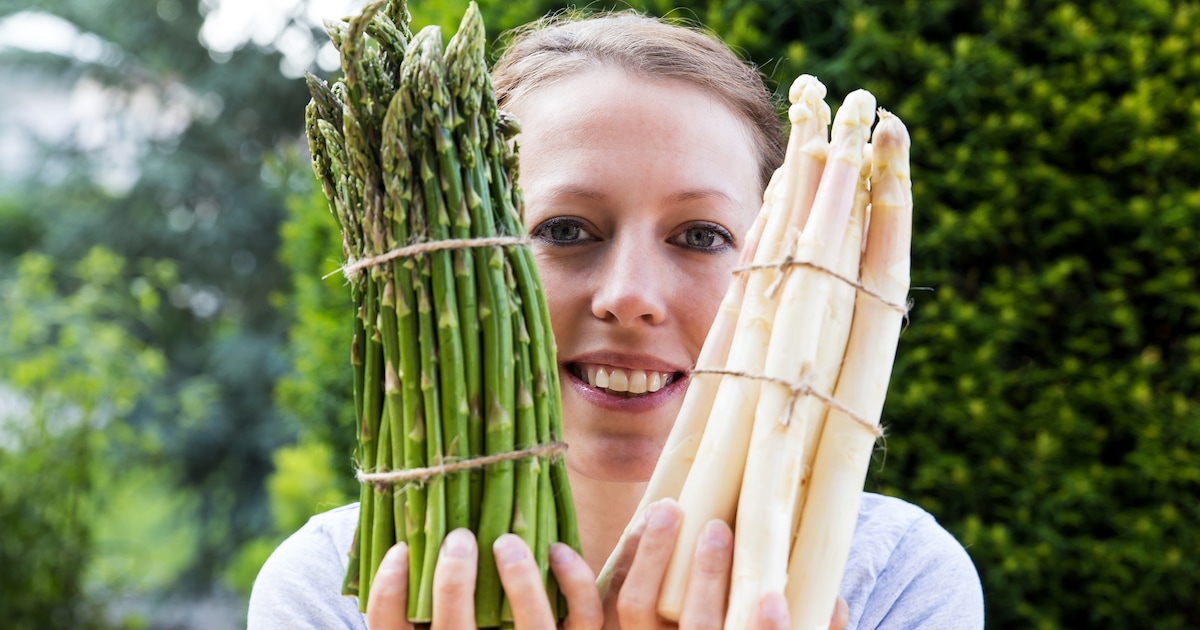
Green vs. White Spargel: Unpacking Health Benefits & Perfect Cooking Preparation
As spring awakens, so does the anticipation for a culinary delight that graces tables across Germany and beyond: Spargel, or asparagus. This elegant vegetable, revered for its delicate flavor and versatility, arrives in two primary forms: the pale, tender white asparagus (Bleichspargel) and its vibrant, earthier green counterpart (Grünspargel). While both are universally loved, a friendly debate often arises regarding their distinct health benefits and, crucially, the optimal ways to prepare them to unlock their full potential. If you're looking to master Spargel Richtig Kochen, understanding these differences is your first step towards culinary perfection.
The Spargel Story: A Nutrient Powerhouse Through History
Originating from West Asia, asparagus has a rich history, with evidence of its use as a healing plant in China over 4,000 years ago. Today, it stands as one of the most cherished spring vegetables, celebrated not just for its taste but also for its impressive nutritional profile. Comprising about 95% water, Spargel is remarkably low in calories, making it a favorite for health-conscious diners. But don't let its humble water content fool you; asparagus is packed with essential vitamins, minerals, and beneficial plant compounds.
Both green and white asparagus are excellent sources of Vitamin A, C, and E, as well as a range of B-vitamins, including vital folic acid. They also contribute significantly to our intake of potassium, calcium, phosphorus, and sodium. These nutrients play crucial roles in everything from immune function and vision to bone health and energy metabolism. The presence of bioactive plant compounds further enhances its health-promoting properties, acting as antioxidants and contributing to overall well-being. Knowing how to preserve these treasures during preparation is key to truly enjoying Spargel Richtig Kochen.
Green vs. White Spargel: Unpacking the Differences in Growth & Goodness
The most striking difference between green and white asparagus lies in their cultivation method, which directly influences their appearance, flavor, and nutritional composition.
- White Asparagus (Bleichspargel): This variety grows entirely underground, shielded from sunlight. Farmers meticulously mound soil over the growing shoots, harvesting them just as their tips begin to emerge from the earth. This lack of sunlight prevents photosynthesis, resulting in its characteristic pale color and a milder, more delicate flavor. White asparagus traditionally requires peeling before cooking to remove its tougher outer layer.
- Green Asparagus (Grünspargel): In contrast, green asparagus thrives above ground, basking in the sun's rays. This exposure allows photosynthesis to occur, giving it its vibrant green hue and a slightly more robust, grassy flavor. A significant advantage of green asparagus is that it generally doesn't require peeling, though tougher, thicker stalks might benefit from a light peel towards the base.
Nutritional Nuances: Is Green Spargel "Healthier"?
While both varieties are undoubtedly healthy, green asparagus often gets a slight edge in the nutritional stakes. Due to its exposure to sunlight, green asparagus typically contains higher concentrations of certain vitamins:
- Vitamins A, C, and E: Green asparagus boasts more of these antioxidant vitamins compared to its white counterpart.
- Folic Acid (Vitamin B9): Studies indicate that green asparagus can contain up to three times more folic acid than white asparagus. Folic acid is vital for cell growth and function, making it particularly important during pregnancy and for overall health.
Therefore, if nutrient density is your primary concern, green asparagus might be your preferred choice. However, both varieties offer immense health benefits and can be incorporated into a balanced diet. The preference often boils down to taste and texture, and understanding how to prepare each variety optimally is central to Spargel Richtig Kochen.
Mastering Spargel Richtig Kochen: Essential Preparations
Regardless of whether you choose green or white, proper preparation is fundamental to a delicious Spargel experience. This involves careful washing, peeling (for white), and trimming.
- Washing: Gently wash both green and white asparagus under cool running water to remove any dirt or grit.
- Peeling White Asparagus: This step is crucial for Bleichspargel. Using a vegetable peeler, start just below the head and peel downwards towards the cut end. Remove all fibrous outer skin, as it can be bitter and tough. The tip of the asparagus, being tender, usually doesn't need peeling.
- Peeling Green Asparagus: Generally, green asparagus does not need peeling. However, if the stalks are particularly thick or the skin appears tough, you might want to lightly peel the lower third of the stalks.
- Trimming the Ends: For both varieties, snap off or cut about 1-2 cm from the woody, dry ends of the stalks. A good trick is to bend a stalk until it naturally breaks – it will usually snap at the point where the tough part meets the tender part.
- Bundling (Optional for White Spargel): For white asparagus, especially when boiling, some chefs prefer to tie the peeled stalks into neat bundles with kitchen twine. This keeps them together, makes them easier to handle in and out of the pot, and ensures more even cooking.
Cooking Spargel to Perfection: Methods & Secret Ingredients
While various methods exist, boiling remains one of the most traditional and beloved ways to prepare Spargel. However, achieving that perfect al dente texture while maximizing flavor requires attention to detail and a few special ingredients. This is where understanding Spargel Richtig Kochen truly shines.
The Classic Boil: White Spargel's Preferred Method
Boiling white asparagus involves more than just dropping it into water. The German tradition calls for a carefully seasoned cooking liquid that enhances the asparagus's natural flavor and preserves its pristine appearance. For a truly aromatic experience, consider these additions to your cooking water:
- 1 Teaspoon Salt: Essential for seasoning and bringing out the asparagus's taste.
- 1 Teaspoon Sugar: This clever addition helps to bind and neutralize any natural bitter notes in the asparagus, ensuring a sweeter, more balanced flavor.
- A Little Butter: A small knob of butter adds richness and depth, emphasizing the delicate taste of the asparagus.
- A Dash of Organic Lemon Juice: A squeeze of lemon juice not only brightens the flavor but also helps to keep white asparagus glisteningly pale, preventing discoloration.
- A Halved Small Potato: An intriguing traditional tip, adding a small, halved potato to the water is believed by some to make the cooking water "rounder" or softer, subtly improving the asparagus's texture and taste.
The Standing Method and the Spargeltopf: For white asparagus, the ideal cooking approach is the "standing method." This technique involves using a tall, narrow pot, often specifically designed as a Spargeltopf (asparagus pot), with a basket insert. You stand the asparagus stalks upright, with only their lower third submerged in about half a liter of the seasoned boiling water. The remaining, more delicate upper two-thirds and the tips are gently cooked by the rising steam. This ensures even cooking, preventing the tender tips from becoming overcooked while the tougher bottoms reach perfection.
Bring the seasoned water to a boil, then reduce the heat to a medium setting so the water gently simmers without aggressive bubbling. Carefully lower the asparagus into the pot. The cooking time will vary depending on the thickness of the stalks, generally ranging from 8-15 minutes for white asparagus. Green asparagus typically cooks faster, usually 5-8 minutes, and can be cooked fully submerged or by the standing method.
Expert Tip for Nutrient Retention: It's crucial to note that boiling can lead to some loss of water-soluble vitamins and minerals. The longer Spargel is cooked, the more nutrients can leach into the water. Therefore, keep cooking times as short as possible to achieve an al dente texture. For more expert insights into perfect asparagus, check out our guide on Spargel Richtig Kochen: Expert Tips for Perfect Asparagus.
Alternative Cooking Methods for Both Varieties
While boiling is classic, other gentle cooking methods can help preserve more of Spargel's precious nutrients:
- Steaming: This is an excellent alternative, especially for green asparagus. Steaming retains more nutrients and results in tender-crisp stalks. Steam for 5-10 minutes.
- Blanching: Briefly boiling then shocking in ice water, ideal for salads or quick finishes.
- Pan-Frying/Roasting: Especially good for green asparagus, which develops a wonderful caramelized flavor when sautéed or roasted with a little olive oil.
For more creative ways to elevate your asparagus, explore Aromatic Spargel: Secret Ingredients for Delicious Asparagus.
Serving Suggestions & Enjoyment
Traditionally, white asparagus is famously paired with boiled new potatoes, thinly sliced ham (often Black Forest or Westphalian), and a rich, creamy Sauce Hollandaise. Green asparagus, with its bolder flavor, is wonderfully versatile in salads, stir-fries, quiches, or simply grilled with a drizzle of olive oil and a squeeze of lemon.
Whether you prefer the delicate elegance of white asparagus or the vibrant zest of green, both varieties offer a delightful culinary experience. By understanding their differences and employing the right preparation and cooking techniques, you can ensure that every meal featuring Spargel is a celebration of flavor and health.